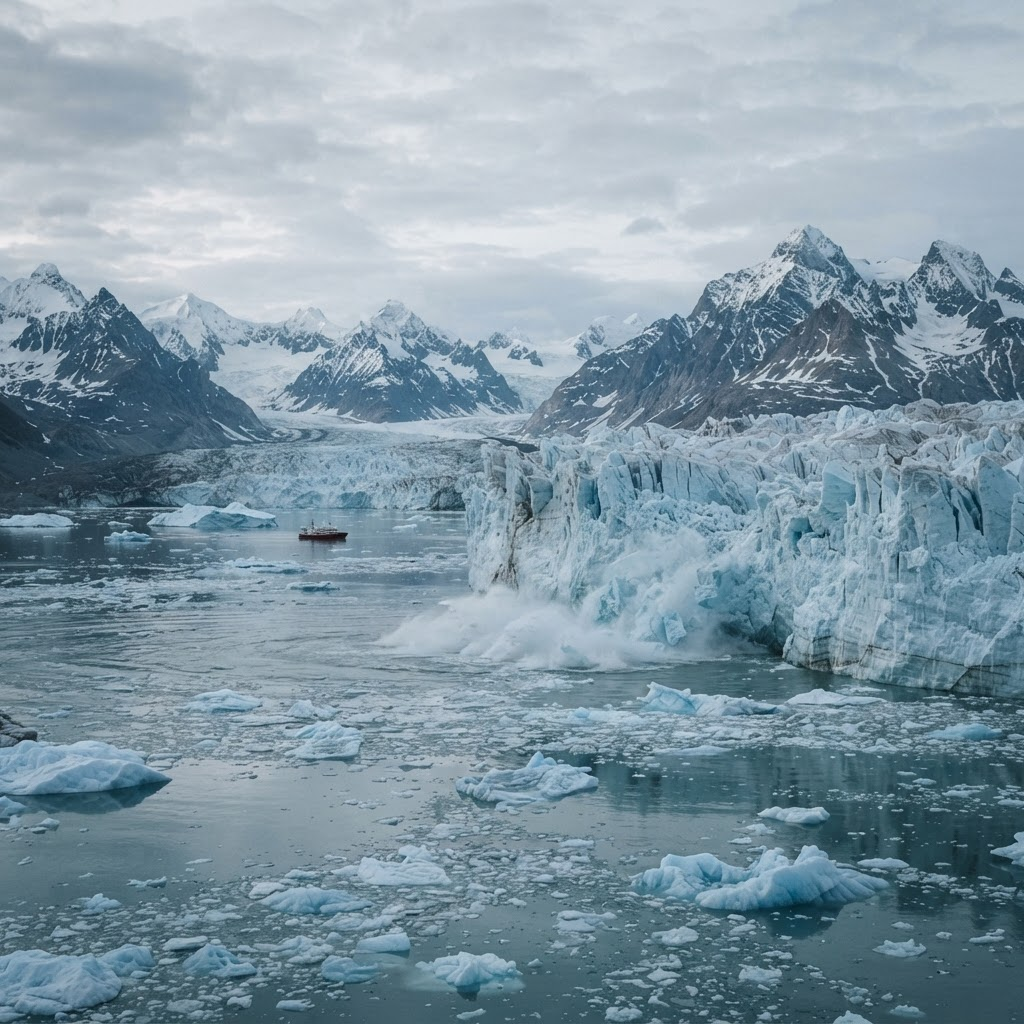
The high Arctic, where the map runs out
78°13'N — the Arctic at the edge of the map
Svalbard sits far above the Arctic Circle, a frozen archipelago closer to the North Pole than to mainland Europe. It is a place of glaciers, open tundra and long summer days that never end — where polar bears genuinely outnumber people.
I lived here for five years, and I still find it extraordinary. Expedition ships thread between fjords and pack ice, dropping ashore for walks across the tundra and cruising quietly beneath towering bird cliffs. The midnight sun keeps the whole day open to possibility.
A Svalbard voyage is wilder and more remote than many expect, yet remarkably accessible from Europe. I will help you choose the route and ship that bring you closest to the Arctic you have in mind.
Ways to experience Svalbard
Trip styles I curate with the cruise lines — not owned inventory, simply the experiences I know deliver. Tell me which appeals and we'll build from there.
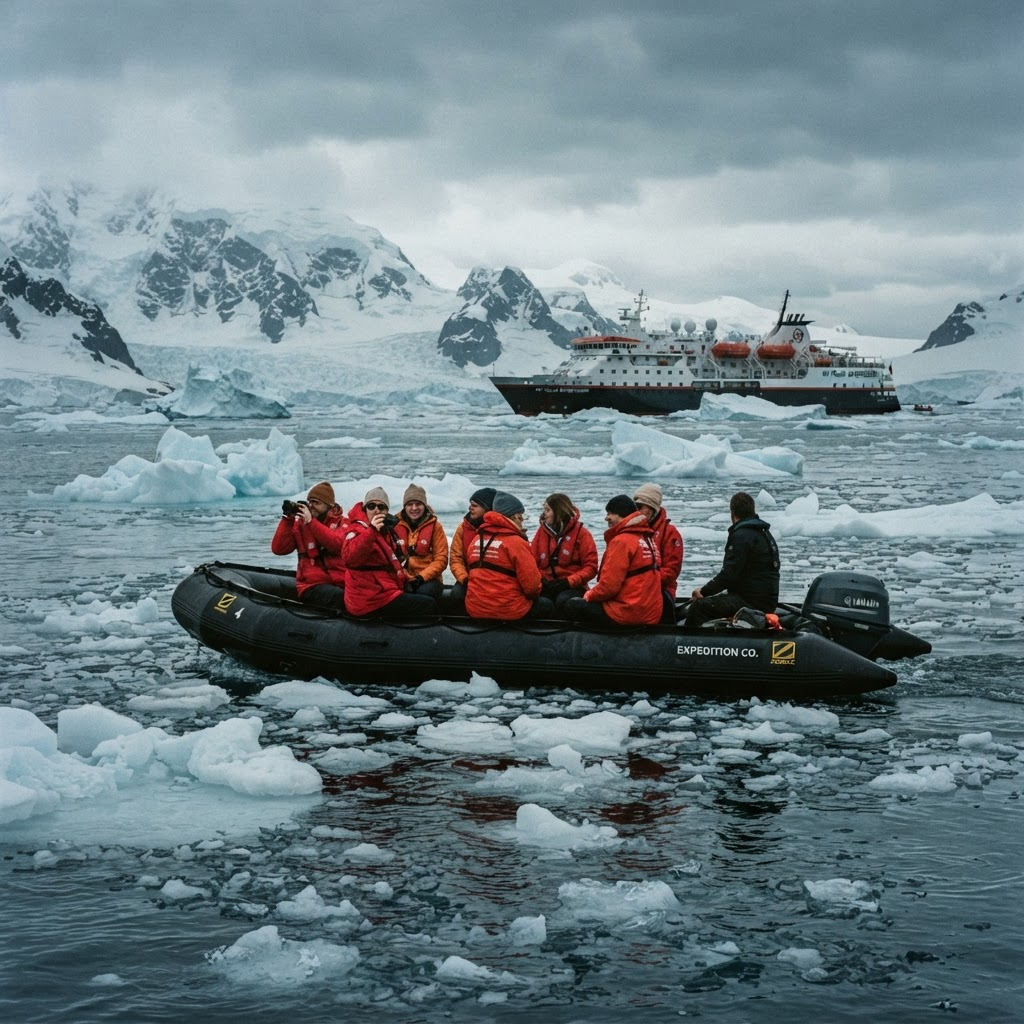
Zodiac cruising the fjords
Explore glacier fronts, bird cliffs and quiet inlets up close, with expert guides reading the ice and the wildlife.
Learn more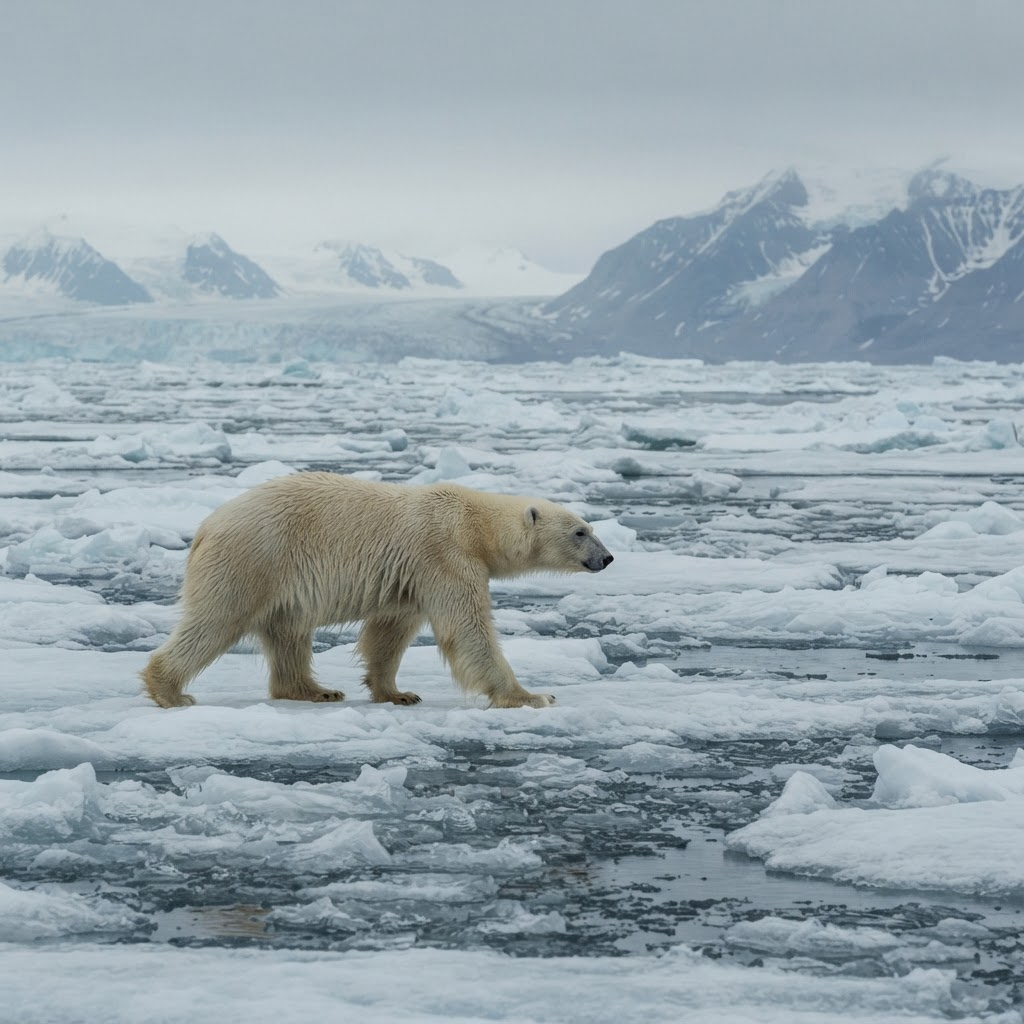
Polar bears & wildlife
Search the pack ice for polar bears, walrus haul-outs, arctic foxes and reindeer — always at a safe, respectful distance.
Learn more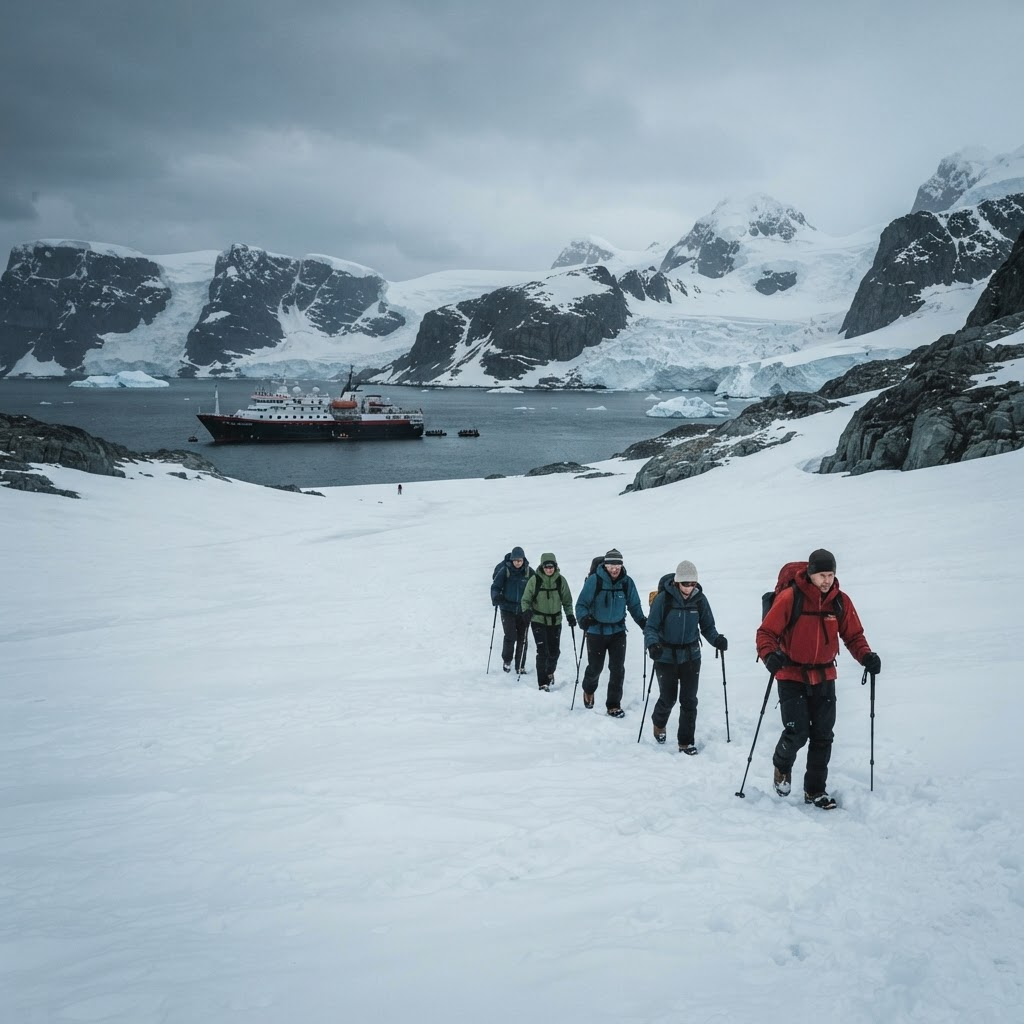
Tundra walks
Guided landings across the tundra to viewpoints and historic sites, with a trained polar bear guard always alongside.
Learn more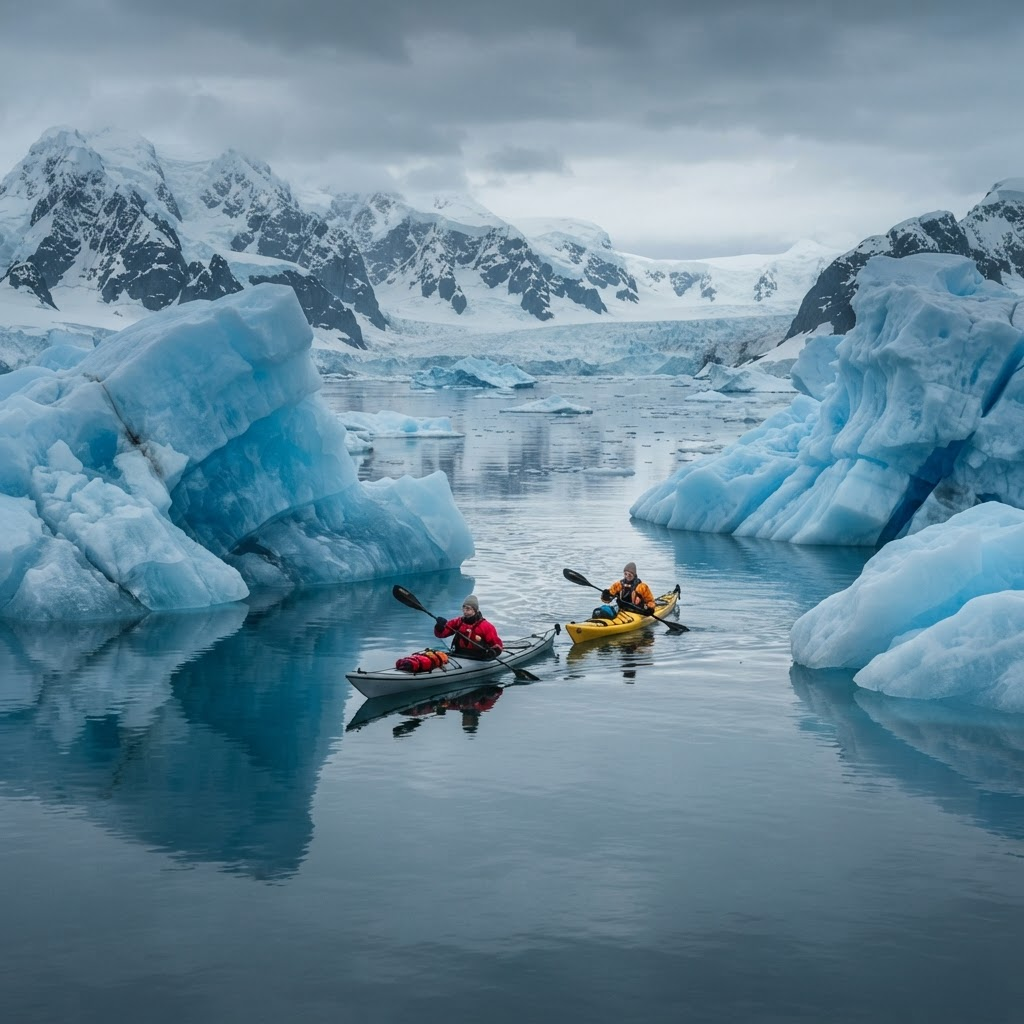
Sea kayaking
On calm days, paddle sheltered bays beneath glaciers — a still, close-up way to experience the high Arctic.
Learn moreThe best time to visit Svalbard
Every part of the season has its own character. Here's how the voyages change through the year.
Early summer — ice & light
Abundant sea ice for the best polar bear odds, snow-covered peaks and the full midnight sun. Crisp and pristine.
High summer — access
Milder weather and receding ice open up more of the archipelago, with tundra beginning to bloom and busy bird cliffs.
Late season — circumnavigation
The best chance to sail all the way around Spitsbergen, with whales offshore and the first hints of autumn colour.
Everything you need to feel prepared
Plain-language guidance I share with every traveller. Full versions arrive once we start planning together.
What to pack
Warm layers, sturdy waterproof footwear and wind protection. I provide every traveller with a clear, personal packing list before departure.
Visa & entry requirements
Most voyages begin in Longyearbyen, reached via mainland Norway. I explain the routing, Schengen considerations and connections in plain Czech.
Wildlife you'll see
Polar bears, walrus, arctic foxes, reindeer, whales and vast seabird colonies — a guide to the Arctic residents you may meet.
Svalbard questions, answered
You fly to Longyearbyen, the main settlement, usually via Oslo or Tromsø in mainland Norway. Ships embark directly from there, so it is surprisingly straightforward to reach from Europe.
Sightings are common but never guaranteed — these are wild animals in a vast landscape. Early-season voyages with more sea ice offer the strongest chances, and experienced guides know where to look.
Yes. Every shore landing is protected by trained, armed polar bear guards — a role I have held myself — and strict protocols keep both travellers and wildlife safe.
Arctic summer is cool rather than extreme, typically a few degrees above freezing, with the midnight sun providing round-the-clock daylight. Wind and damp are the main considerations, and layering handles both.
It depends on what matters most to you — maximum polar bear odds, a full circumnavigation of Spitsbergen, or a gentler introduction. That's exactly the kind of decision I'll help you make.
Most activities are accessible, with landings graded by effort so you can choose your pace. There are gentle options every day, as well as longer hikes for those who want them.
Thinking about Svalbard? Let's talk it through.
No pressure and no sales pitch — just an honest conversation with a guide who has been there, to help you find the right voyage.