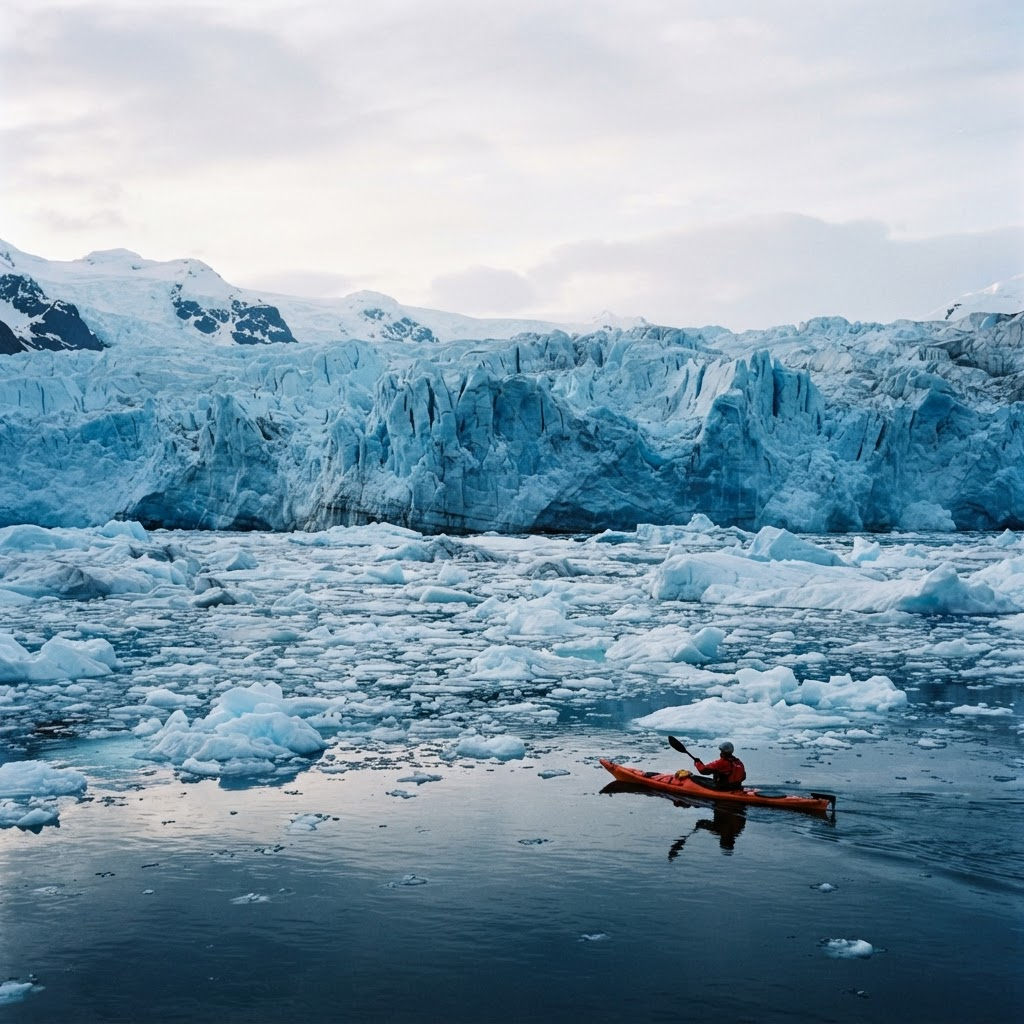
The white continent, on its own terms
66°33'S — the world's last true wilderness
Antarctica is not a place you pass through — it is a place that rearranges your sense of scale. Beyond the Drake Passage lies a continent with no towns, no roads and no permanent residents: only ice, ocean and the animals that have never learned to fear people.
Days here are shaped by weather and wildlife rather than a fixed itinerary. Zodiacs push out among brash ice at dawn; humpbacks surface beside the ship; a colony of penguins fills an entire bay with sound. Every landing is different, and no photograph quite prepares you for the silence.
This is a voyage for travellers who want the real thing — the genuine expedition experience, on a small ship, with time to simply stand on deck and take it in. I will help you find the ship and route that match how you want to travel.
Ways to experience Antarctica
Trip styles I curate with the cruise lines — not owned inventory, simply the experiences I know deliver. Tell me which appeals and we'll build from there.
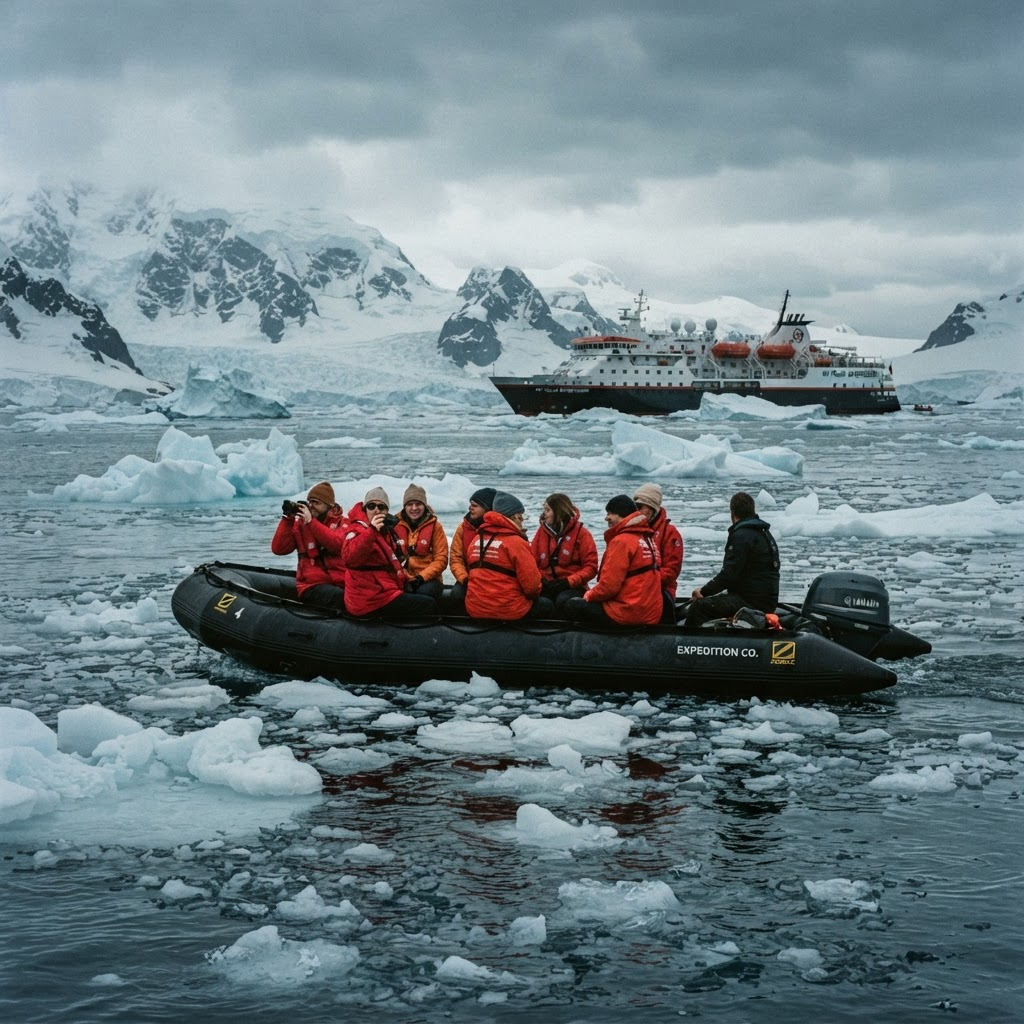
Zodiac cruising the ice
Nose quietly between icebergs and along glacier fronts, close to seals, penguins and calving ice — the heart of every expedition day.
Learn more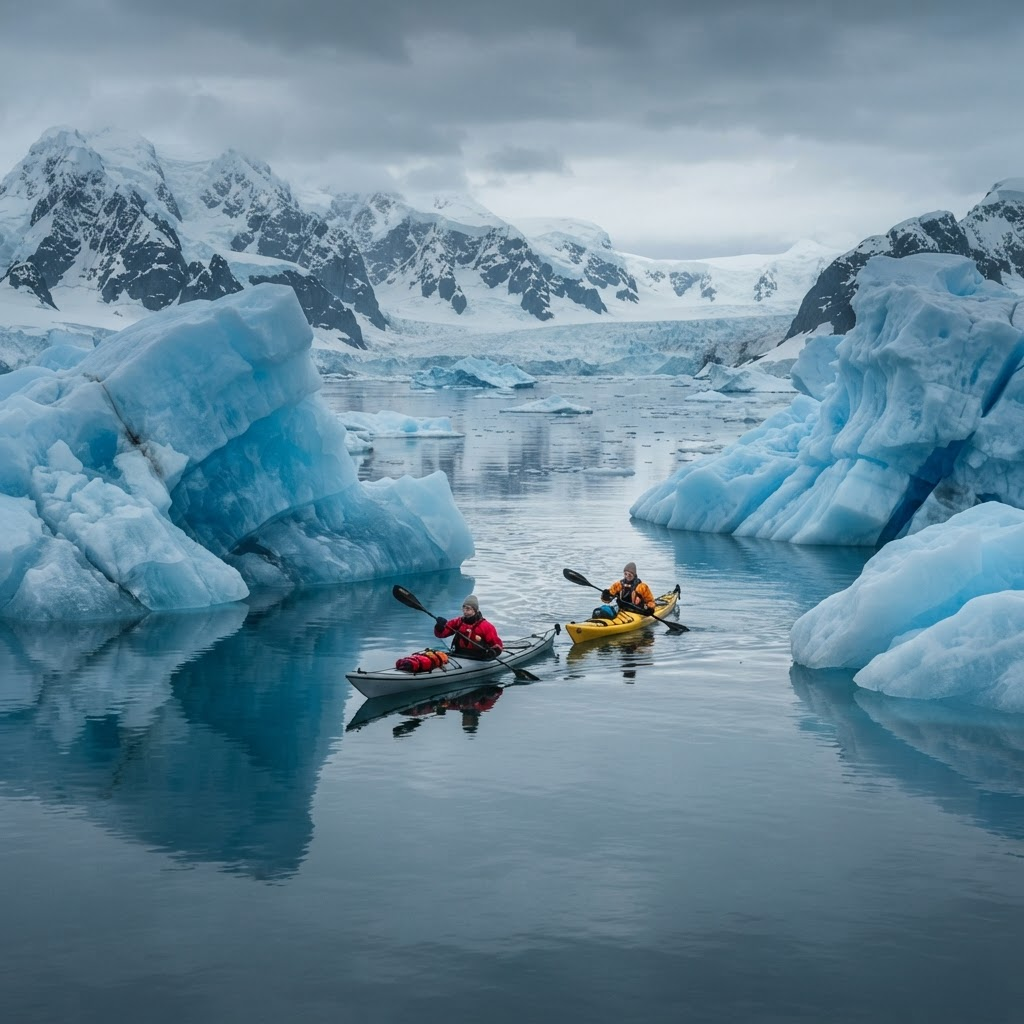
Sea kayaking
For the confident, a paddle through still, mirror-flat bays — the most intimate way to feel the scale of the polar landscape.
Learn more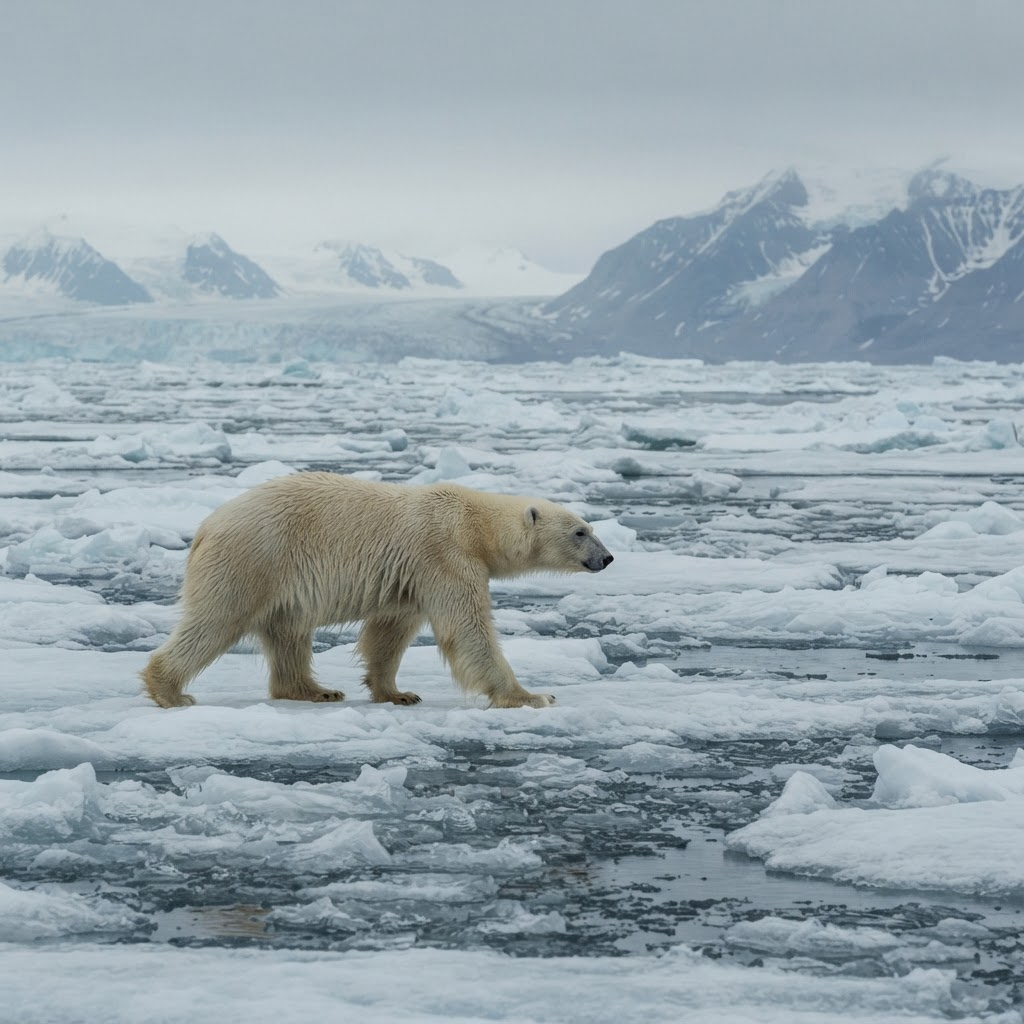
Wildlife encounters
Penguin rookeries, whales, and seals hauled out on the ice — guided by naturalists who know where and when to look.
Learn more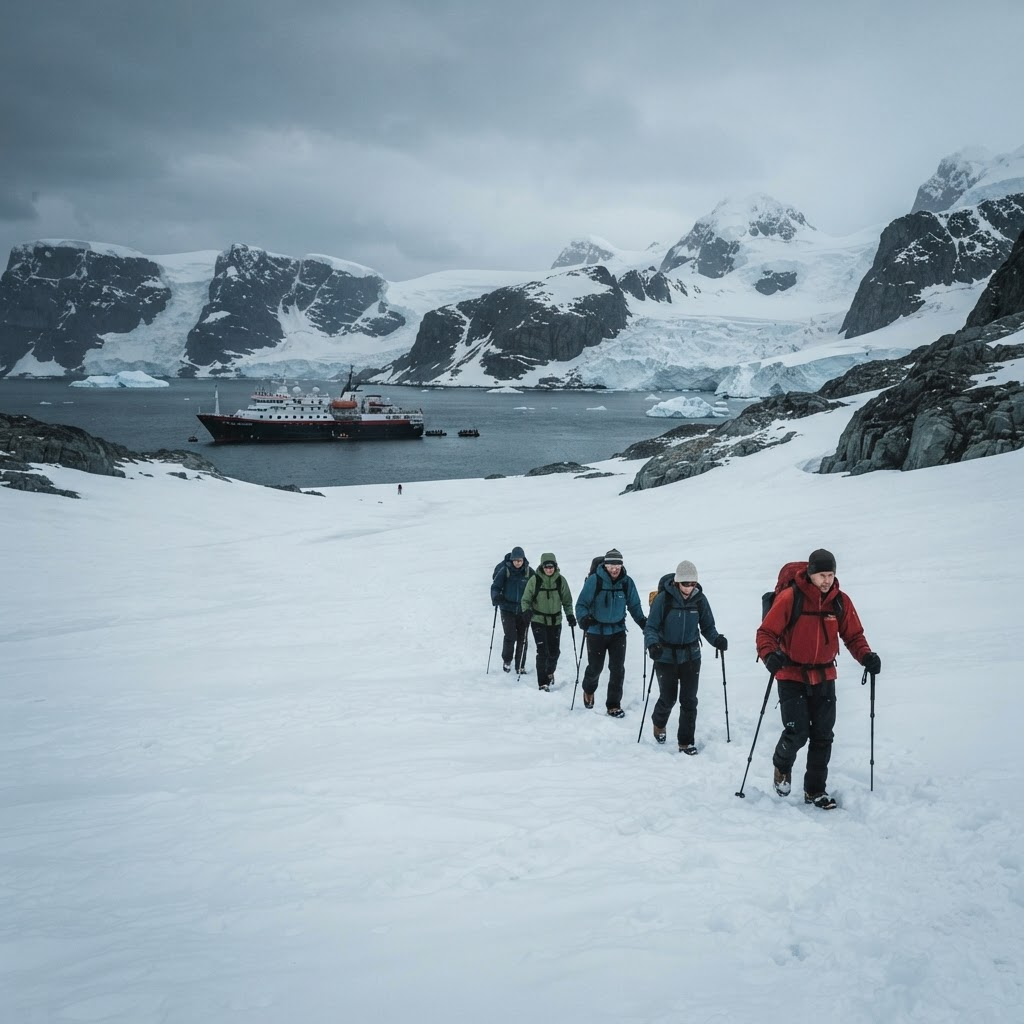
Shore landings & hikes
Step onto the continent itself for guided walks to viewpoints, research stations and historic huts.
Learn moreThe best time to visit Antarctica
Every part of the season has its own character. Here's how the voyages change through the year.
Early season — pristine ice
Untouched snow, dramatic ice formations and courting penguins. The quietest time, with the most sculptural landscapes.
Peak summer — long days
Warmest temperatures, near-endless daylight and hatching penguin chicks. The most popular window to sail.
Late season — whales
The best whale watching of the season, active penguin colonies and softer, golden light for photography.
Everything you need to feel prepared
Plain-language guidance I share with every traveller. Full versions arrive once we start planning together.
What to pack
Layering, waterproofs and the few specialist items that make all the difference. I send every traveller a personal, plain-language packing list.
Visa & entry requirements
Most voyages depart from Ushuaia in Argentina. I will walk you through the documents, timing and connections so nothing is left to chance.
Wildlife you'll see
Penguins, seals, humpback and minke whales, and a wealth of seabirds — an overview of who you can expect to meet, and when.
Antarctica questions, answered
Almost all expedition cruises depart from Ushuaia, at the southern tip of Argentina, then cross the Drake Passage to the Antarctic Peninsula. Some fly-cruise options skip the crossing by flying to King George Island. I will help you weigh the trade-offs.
It can be lively, but modern expedition ships are stabilised and the crossing is part of the adventure. We'll talk through seasickness remedies and choose a ship and cabin that suit you if you're concerned.
No special experience is needed. If you can manage getting in and out of a zodiac with a steadying hand, you can enjoy the core of the trip. Optional activities like kayaking have their own requirements, which we discuss in advance.
During the summer season, temperatures near the Peninsula usually hover around freezing — cold, but very manageable with the right layers. Wind is the real factor, and good preparation makes it comfortable.
The best cabins on the best small ships sell out a year or more ahead. Reaching out early gives us the widest choice — but late availability does appear, and I keep an eye out for it.
Cruise fares typically cover your cabin, all meals on board, expedition activities and guiding. Flights, insurance and pre-voyage hotels are usually separate — I help you plan all of it as one seamless trip.
Thinking about Antarctica? Let's talk it through.
No pressure and no sales pitch — just an honest conversation with a guide who has been there, to help you find the right voyage.